CARBONLITE™ Climbing Sticks
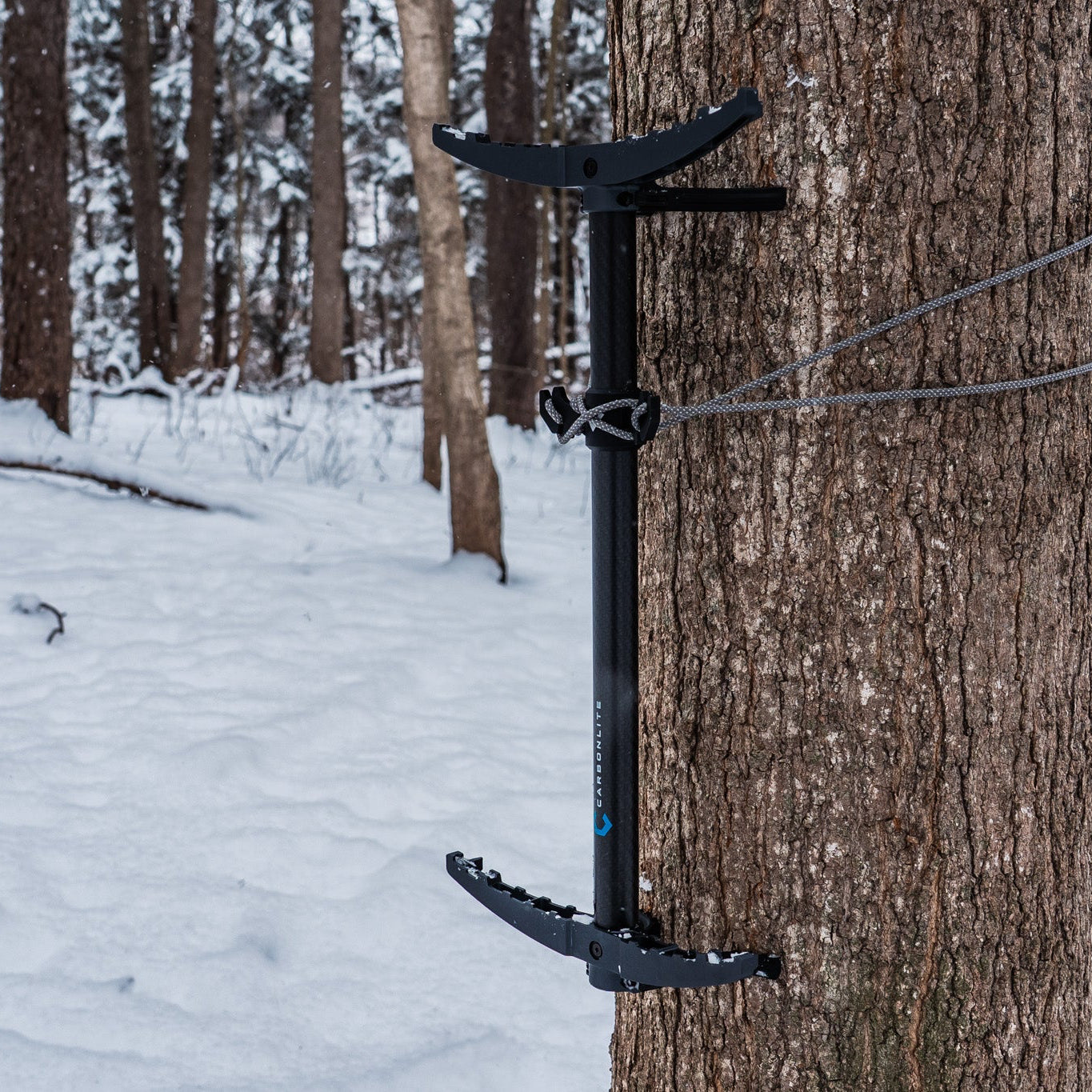
The most advanced climbing sticks ever produced, utilizing ultra-high modulus carbon tubing + 7075-T6 components. No plastic, no cutting corners - only elite performance.
Choose options
ULTRALIGHT REDEFINED
More Footing. More Confidence.
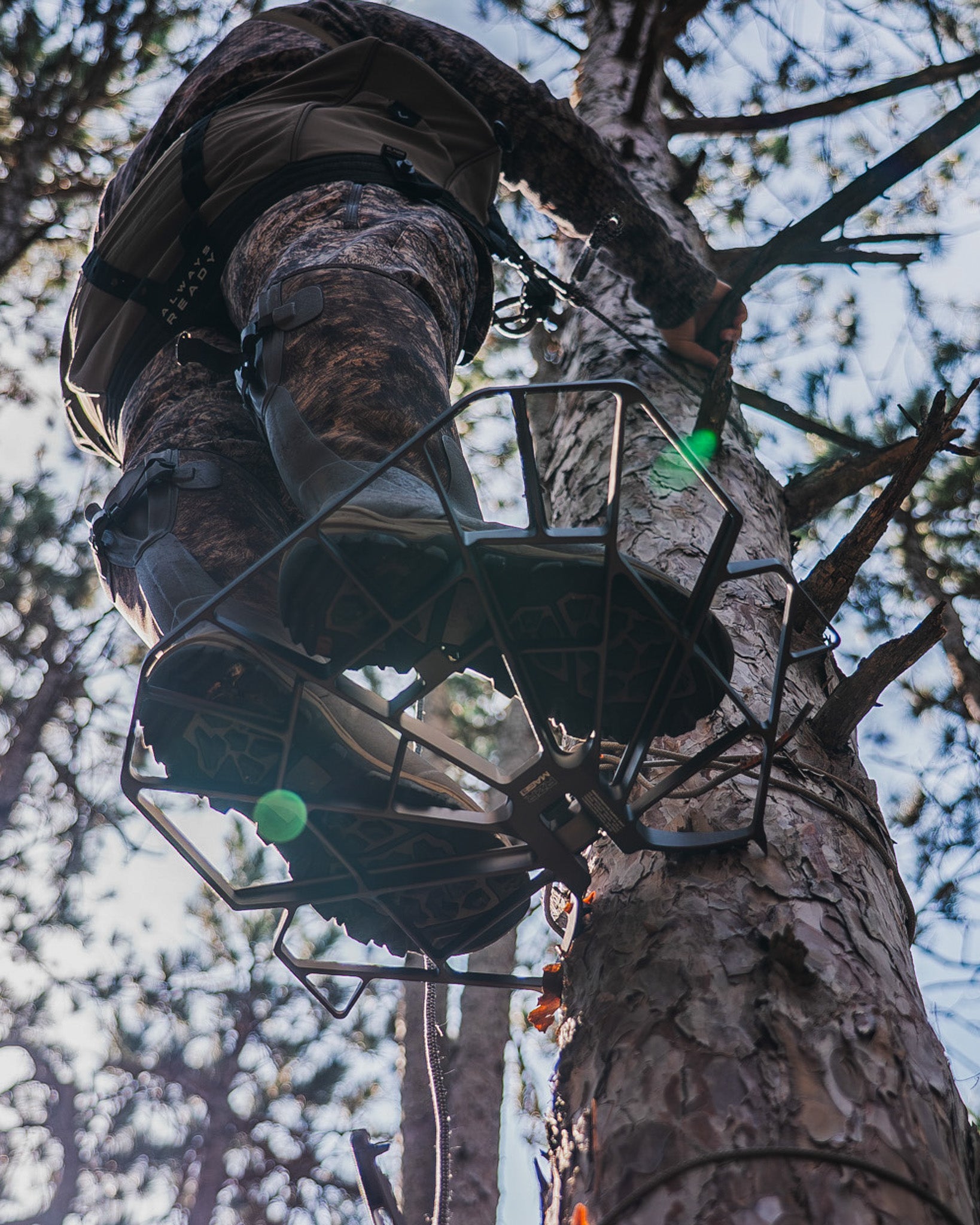
Many ultralight climbing sticks achieve weight reduction by shrinking the usable climbing surface. Narrow steps and shallow stand-off distances force awkward foot positioning against the tree, reducing
stability and creating a more fatiguing, less confident climb — especially in cold conditions or while carrying gear.
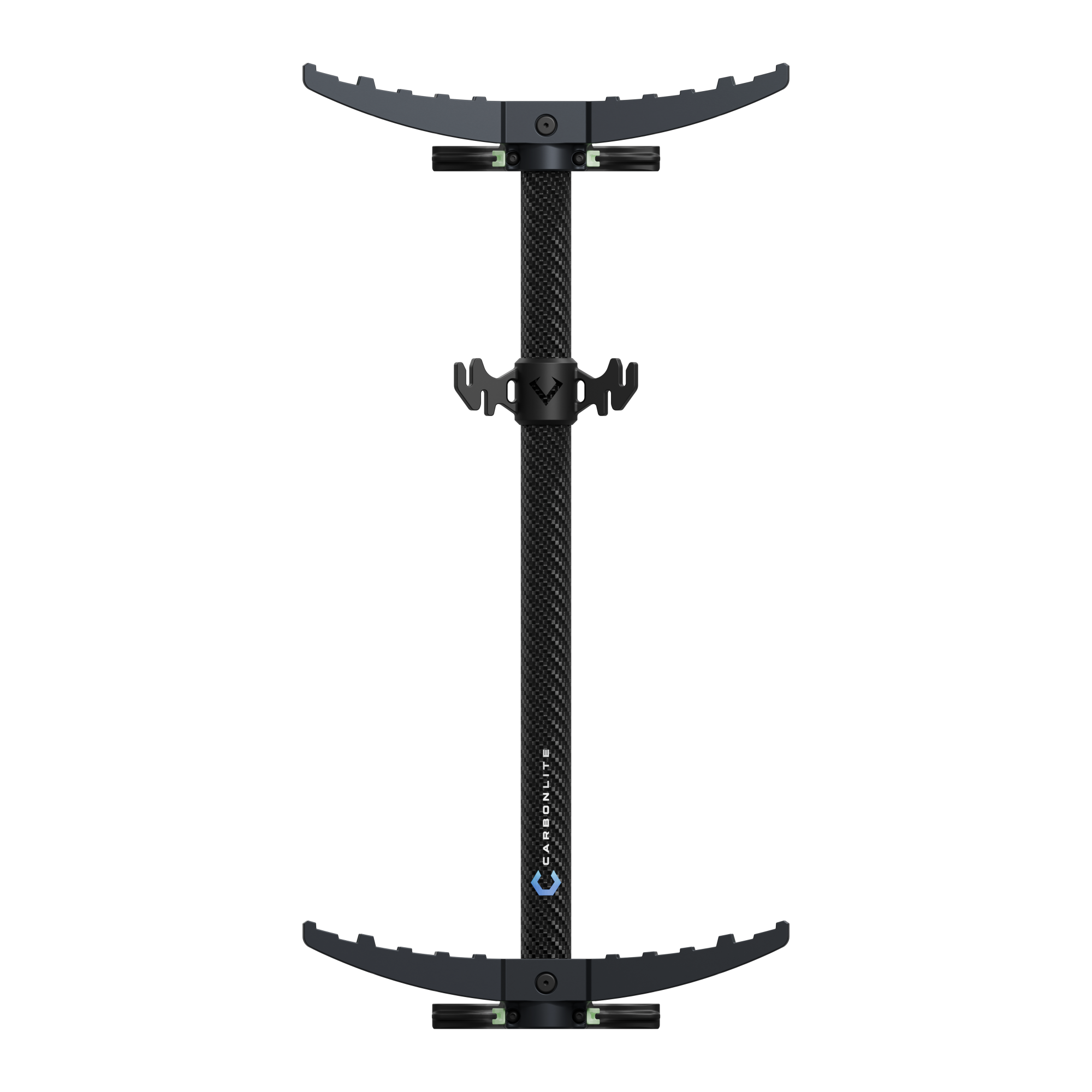
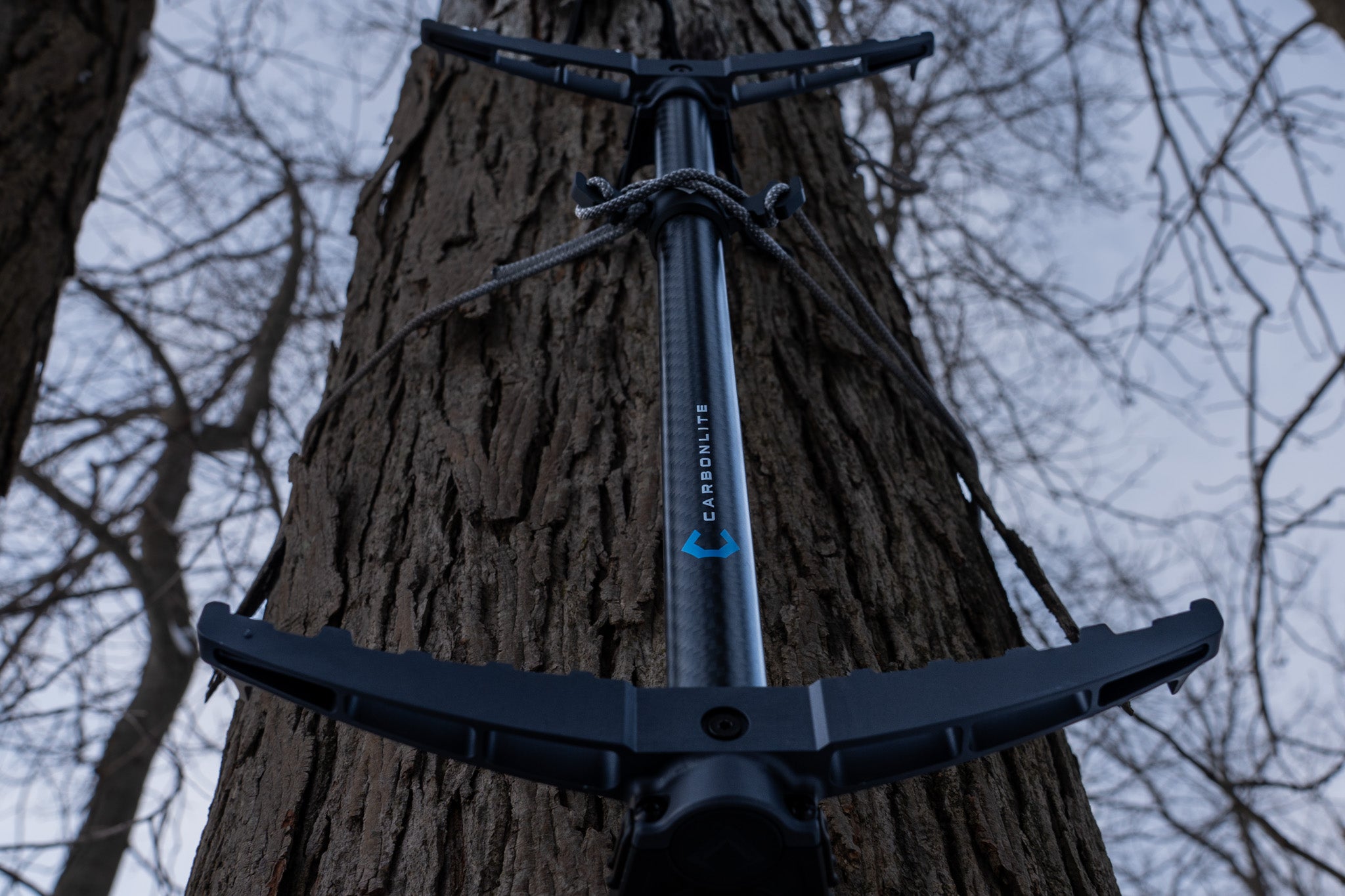
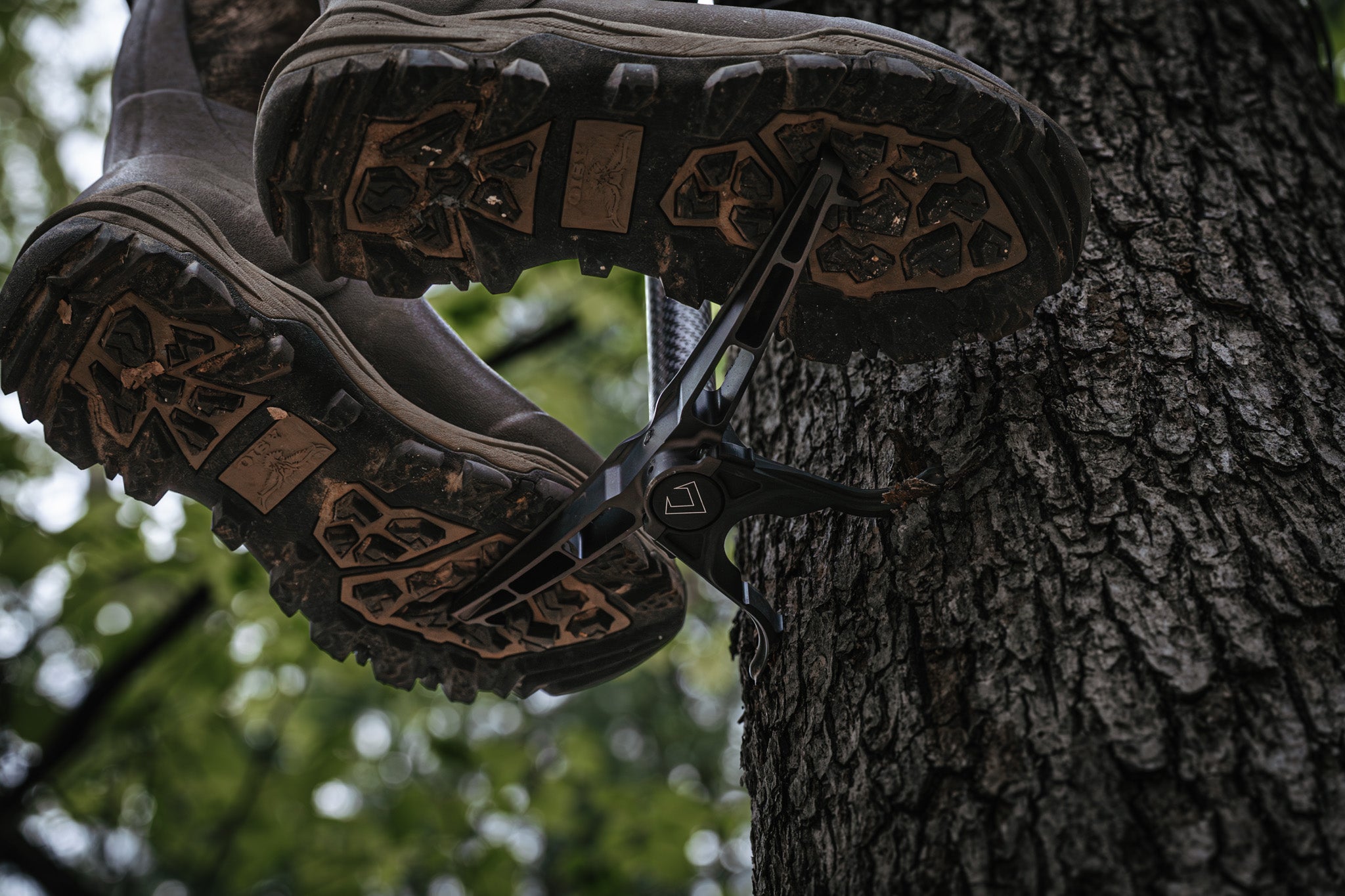
CarbonLITE™ was engineered around a substantially larger climbing interface with over 9.5 inches of step width and a full 4-inch stand-off from the tree. The increased spacing creates more usable room for secure boot placement while allowing the body to maintain a more natural climbing posture throughout ascent and descent. Combined with optimized 10° angled step geometry, the system promotes smoother movement and more balanced weight transfer between steps.
The result is a climbing experience that feels significantly more stable and controlled than traditional ultralight sticks, delivering greater confidence without sacrificing mobility-focused weight savings.

INNOVATIVE TECHNOLOGY
CARBONLITE™ FEATURES
CarbonLITE™ Climbing Sticks redefine what hunters should expect from ultralight climbing systems. Built with high modulus carbon fiber and precision CNC-machined 7075 aluminum components, CarbonLITE™ delivers the lightweight efficiency mobile hunters demand without sacrificing stability, confidence, or control.
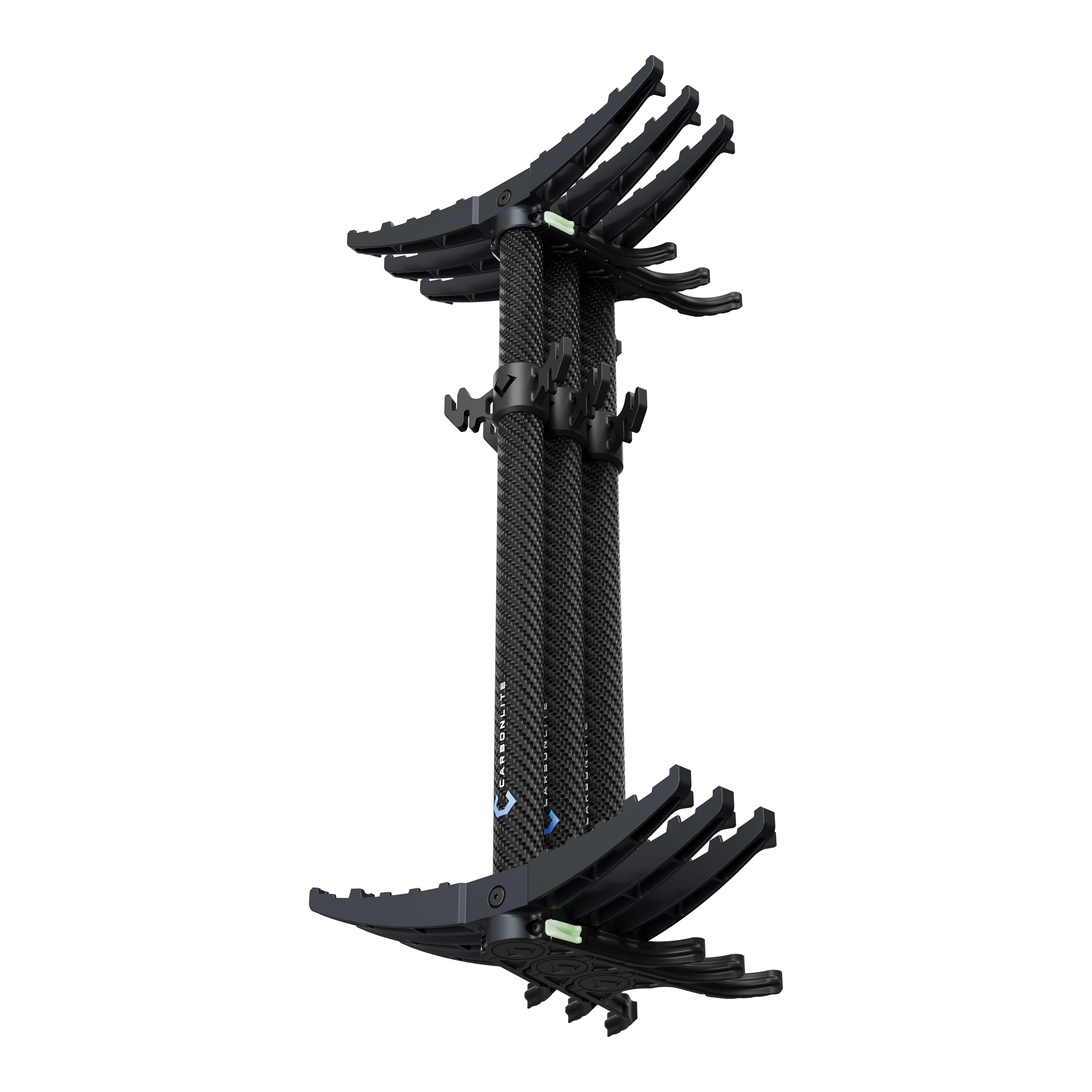
Axis™ Inline Stack System
True Inline Nesting
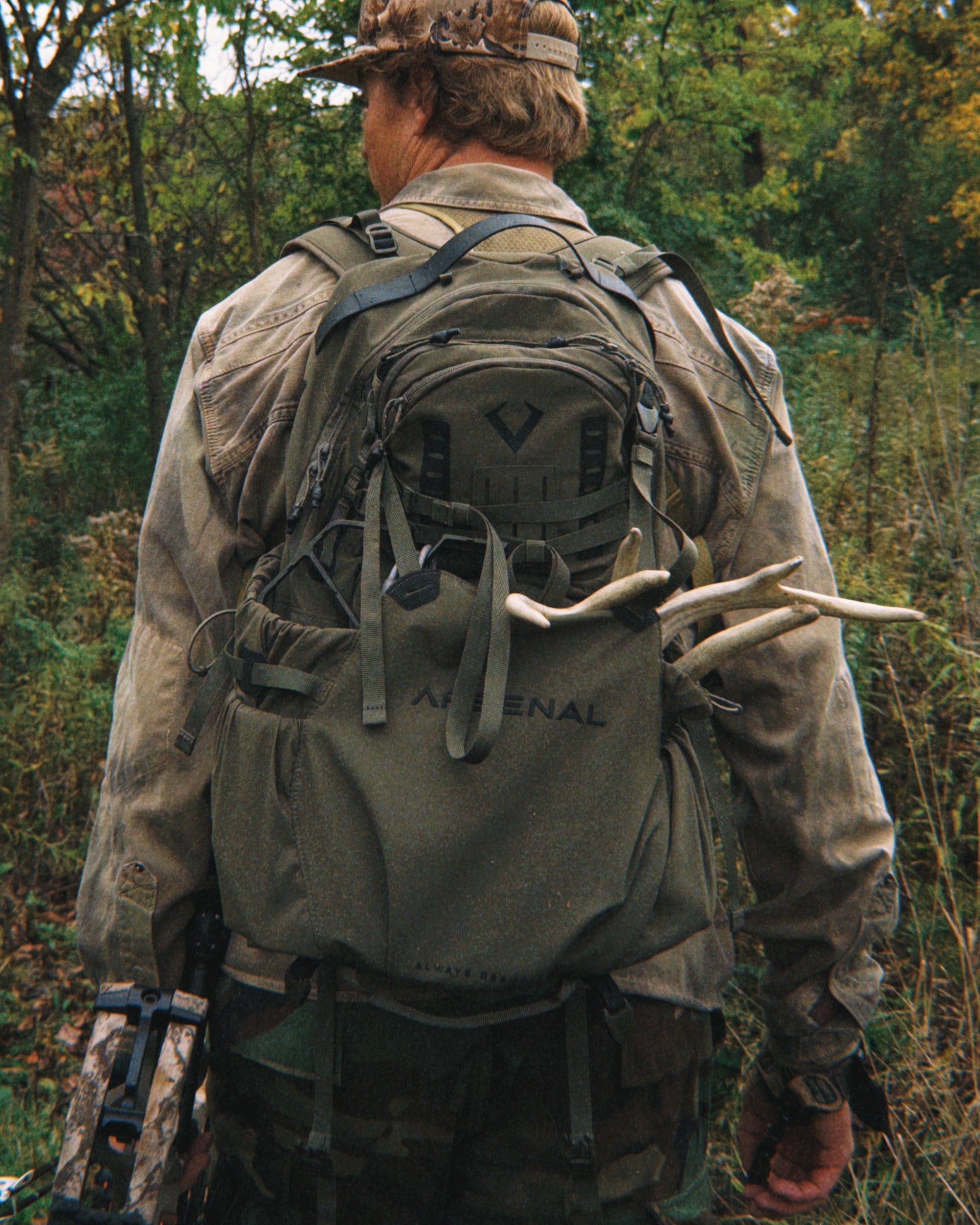
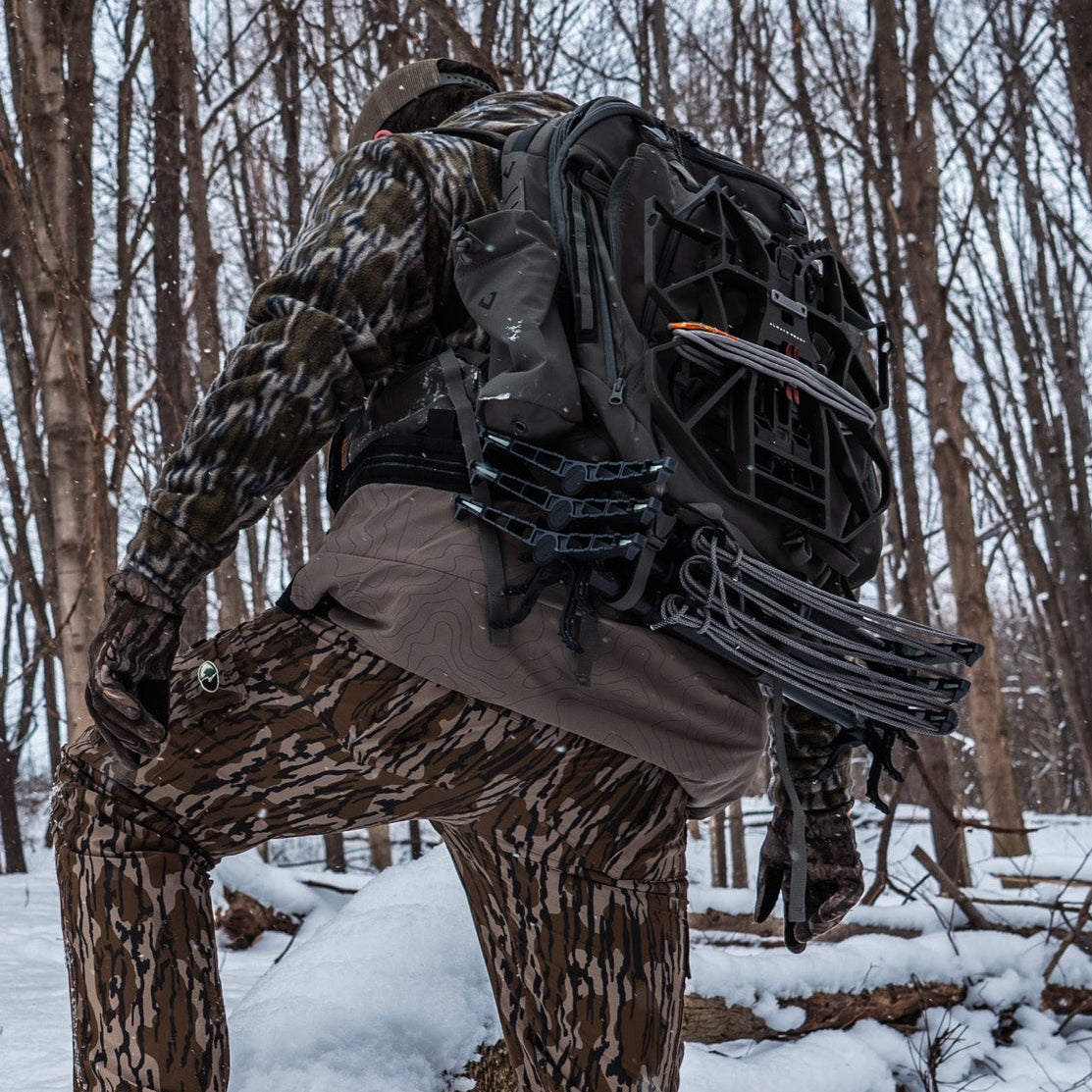
Traditional climbing stick stacking systems often create uneven pack profiles caused by offset nesting and inconsistent alignment between sticks. That added bulk not only affects packability, but also creates frustration during deployment when sticks separate inconsistently or catch on gear during setup.
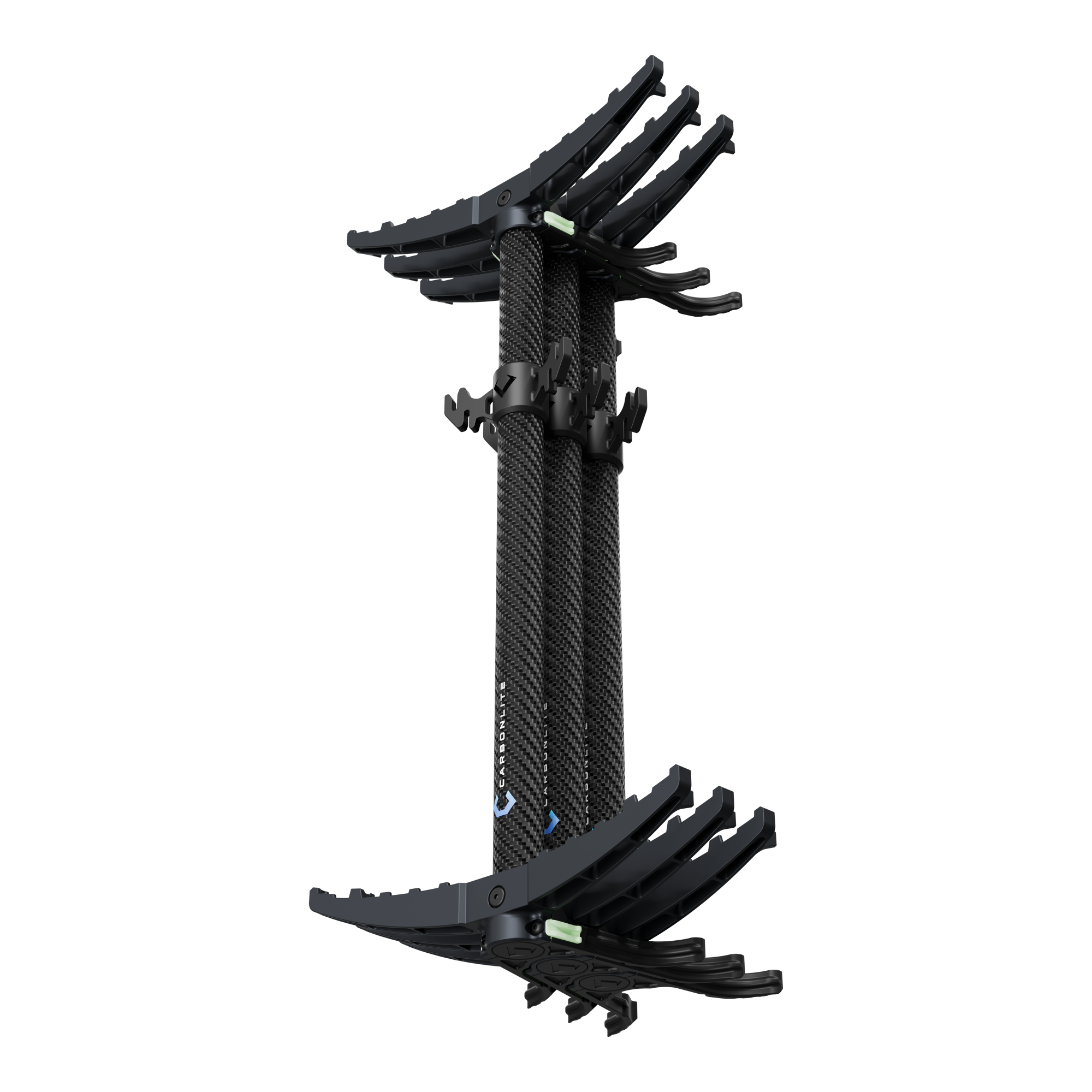
The Patent Pending AXIS™ Stack System was developed around a true center-axis nesting architecture that allows each stick to align precisely inline during transport. By eliminating offset stacking geometry, the system creates a tighter, more balanced pack profile while improving overall organization and deployment consistency in the field.
This produces a noticeably cleaner carry system that packs flatter, deploys smoother, and reduces unnecessary movement and
noise during mobile hunts.
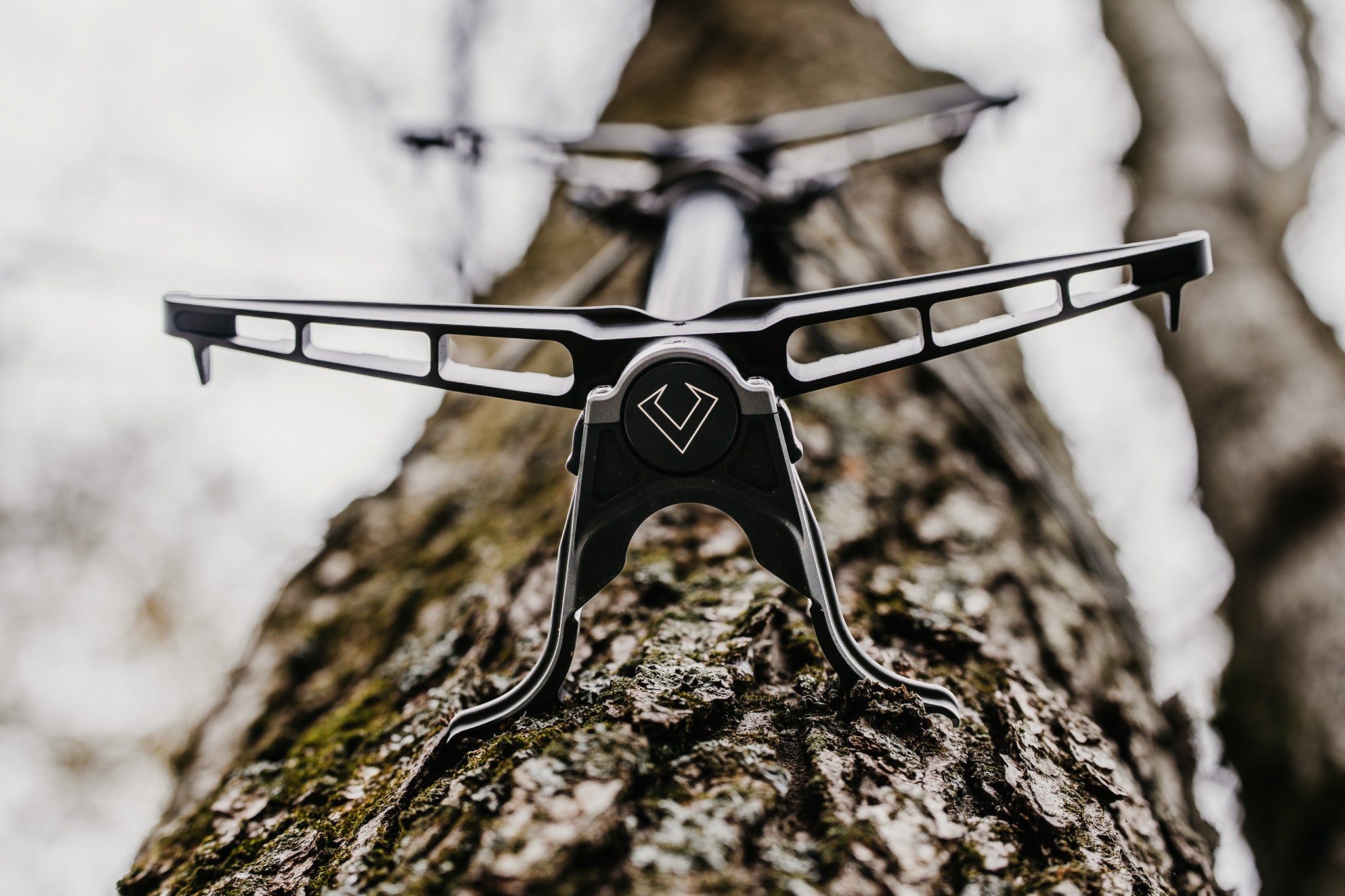
High-Modulus Carbon Fiber & CNC 7075 Construction
Tuned Material Engineering for Ultralight Strength
Many lightweight climbing sticks reduce overall mass effectively, but often introduce excess vibration, harsh metallic feel, or compromised structural confidence under dynamic climbing load. In cold conditions, traditional aluminum-heavy systems can also become noticeably louder and less comfortable to handle.
CarbonLITE™ combines a high modulus carbon fiber main tube with precision CNC-machined 7075 aluminum structural components to balance ultralight efficiency with real-world climbing performance. The carbon fiber construction reduces overall system weight while naturally dampening vibration and minimizing the cold conductive feel associated with conventional metal climbing sticks. CNC-machined 7075 aluminum reinforcement is then strategically utilized in critical load-bearing zones where maximum structural strength and precision are required.
The result is a climbing system that feels exceptionally lightweight and quiet during transport while still maintaining the rigidity, durability, and climbing confidence demanded in mobile hunting set ups.
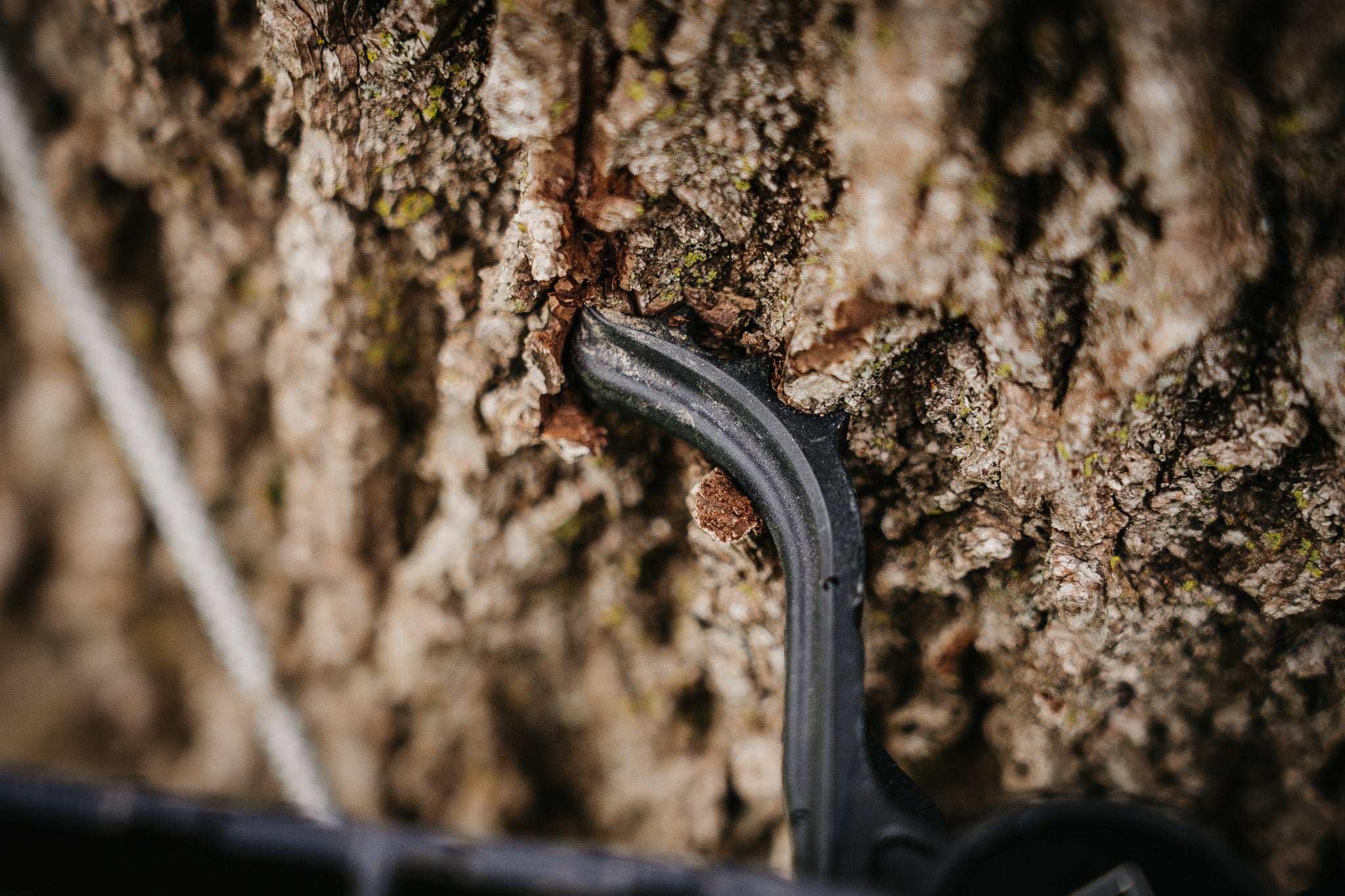
Extreme Tree Bite™ Traction System
Aggressive Engagement for No-Shift Stability
Climbing confidence depends heavily on how securely a stick interfaces with the tree under load. Insufficient tooth engagement or poorly designed traction geometry can allow subtle shifting during ascent, reducing stability and increasing hesitation while climbing.
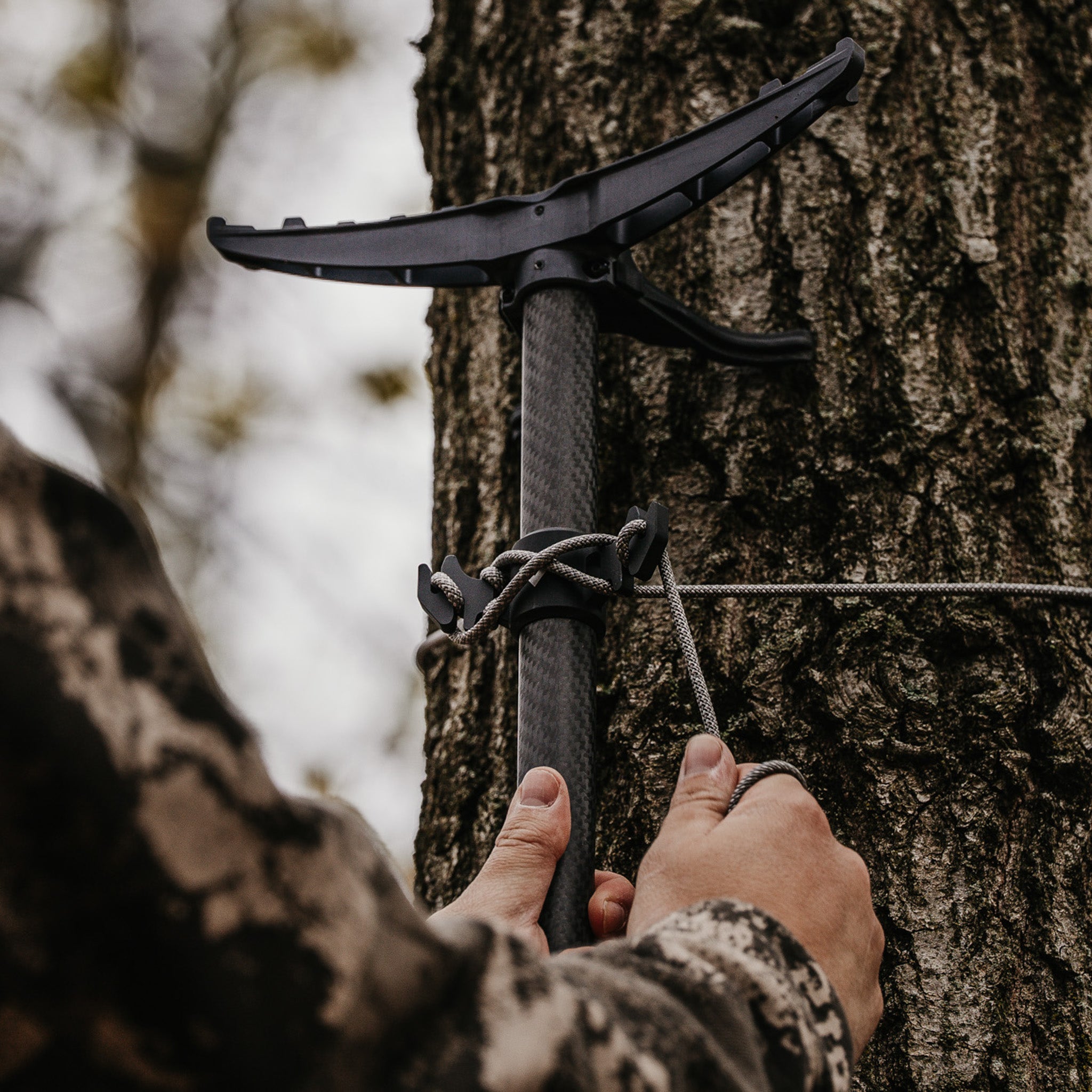
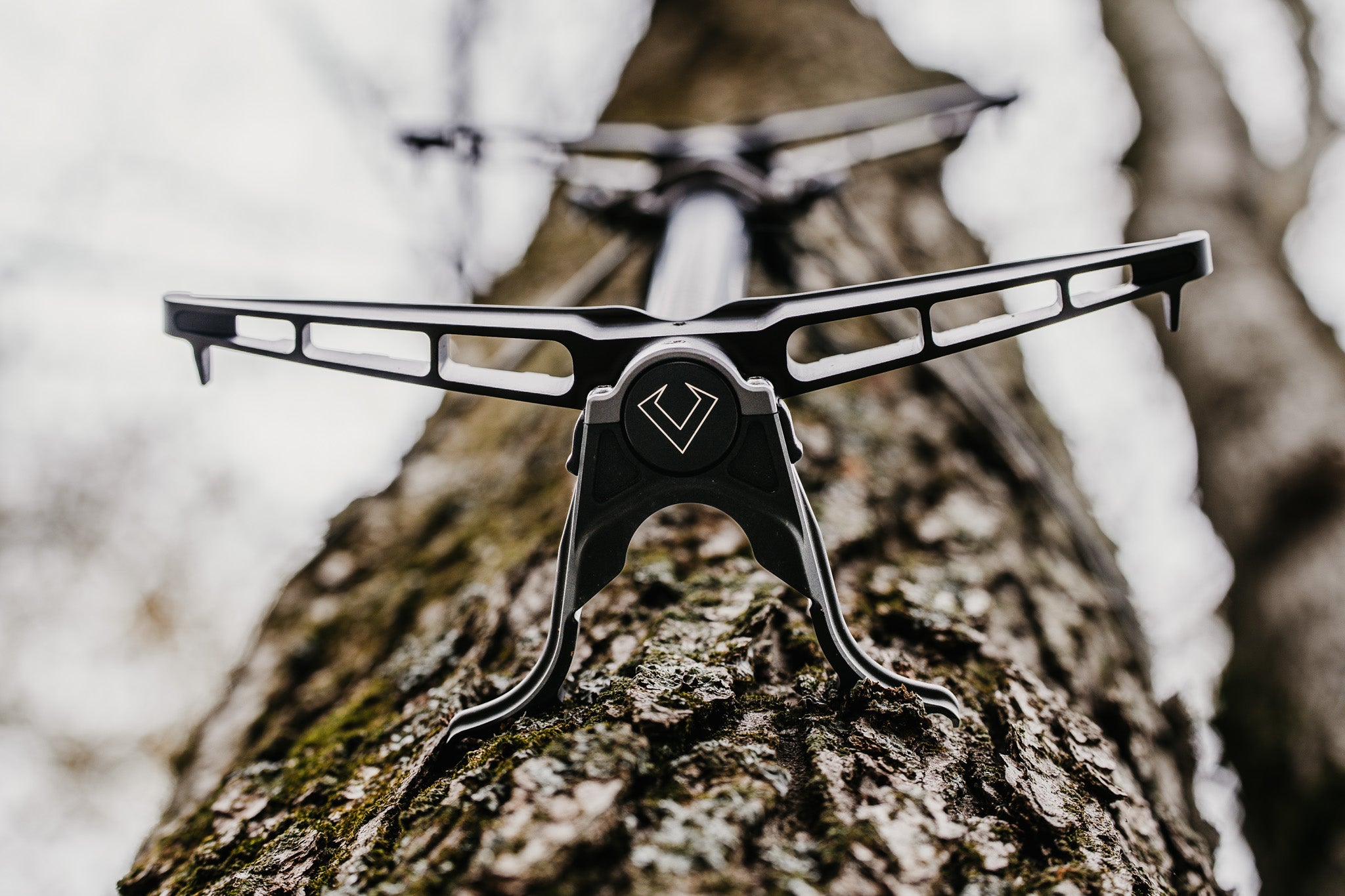
The Extreme Tree Bite™ system utilizes aggressively machined-radius traction teeth engineered to penetrate bark more effectively and maintain stronger contact pressure throughout the climbing cycle. Combined with the RopeLok™ attachment system, the traction architecture
helps stabilize the stick against rotational movement and minimizes unwanted shift once weighted.
This creates a more planted and confidence-inspiring climbing platform that allows hunters to move more decisively and efficiently while ascending in a wide range of bark textures and tree conditions.
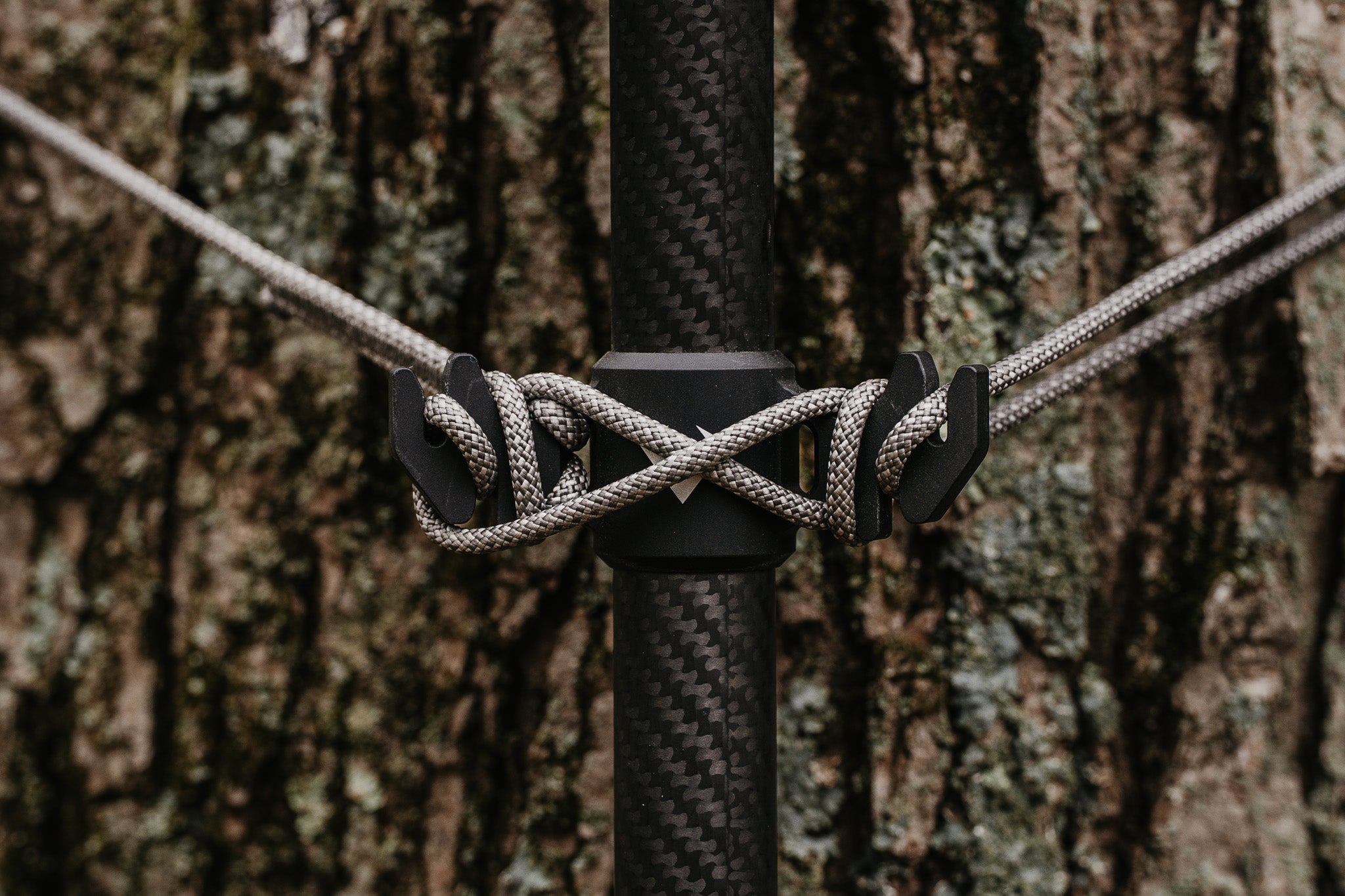
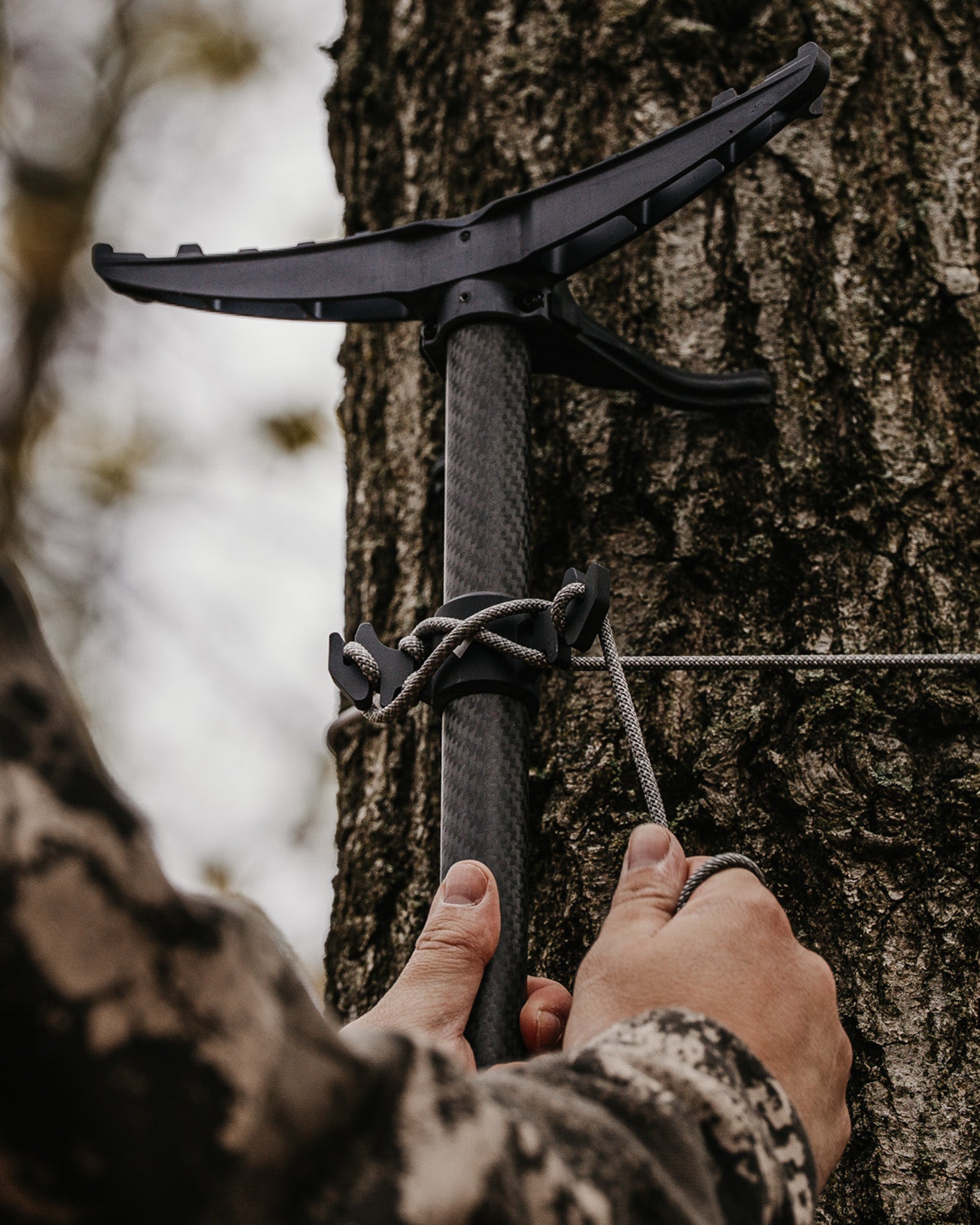
RopeLok™ Attachment & Integrated Rope Storage System
Streamlined Attachment With Cleaner Rope Management
Loose attachment ropes and complicated fastening systems can create unnecessary noise, clutter, and inefficiency during both transport and setup. Poor rope management often leads to tangled cordage, slower setup, and excess hassle at the base of the tree.
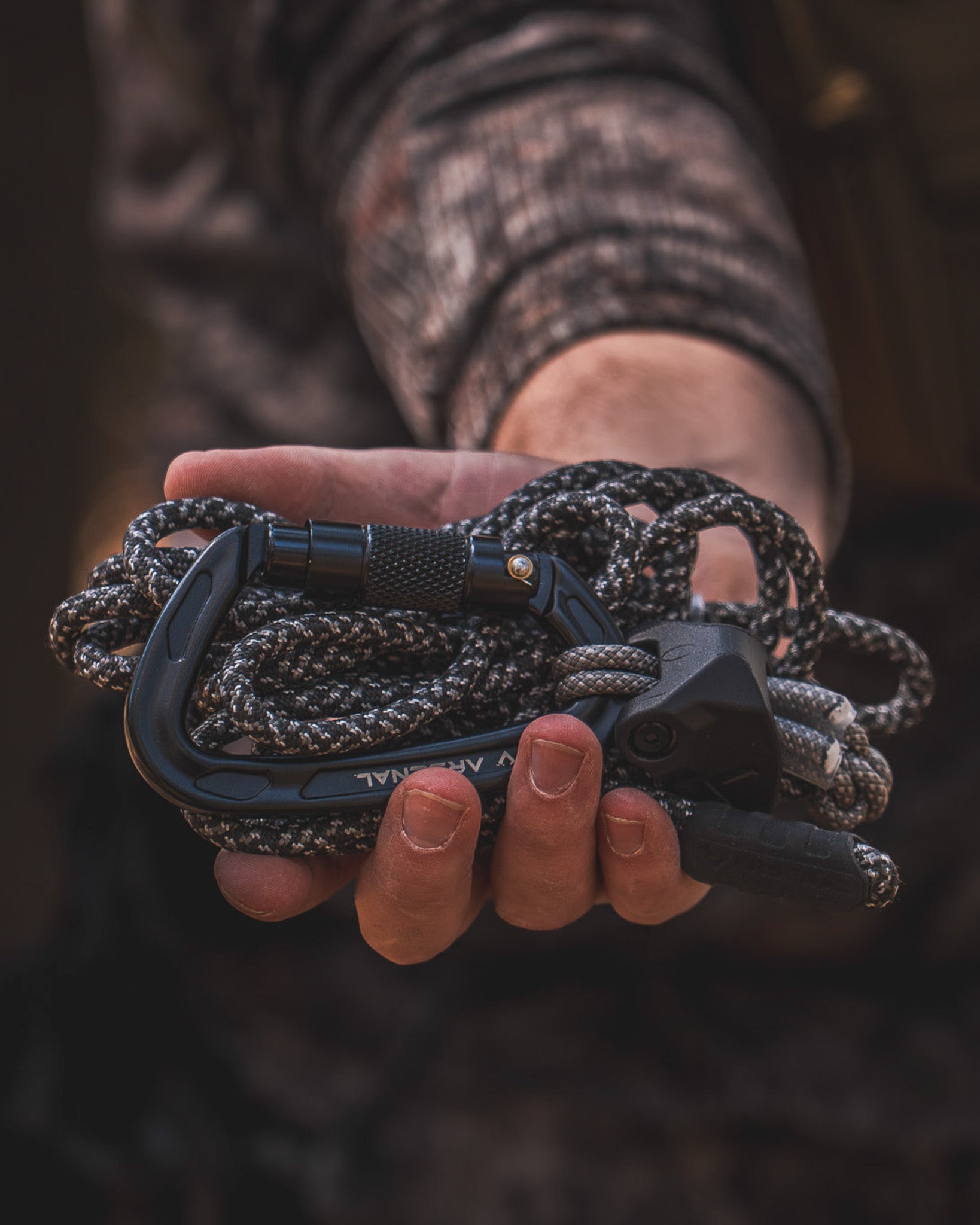
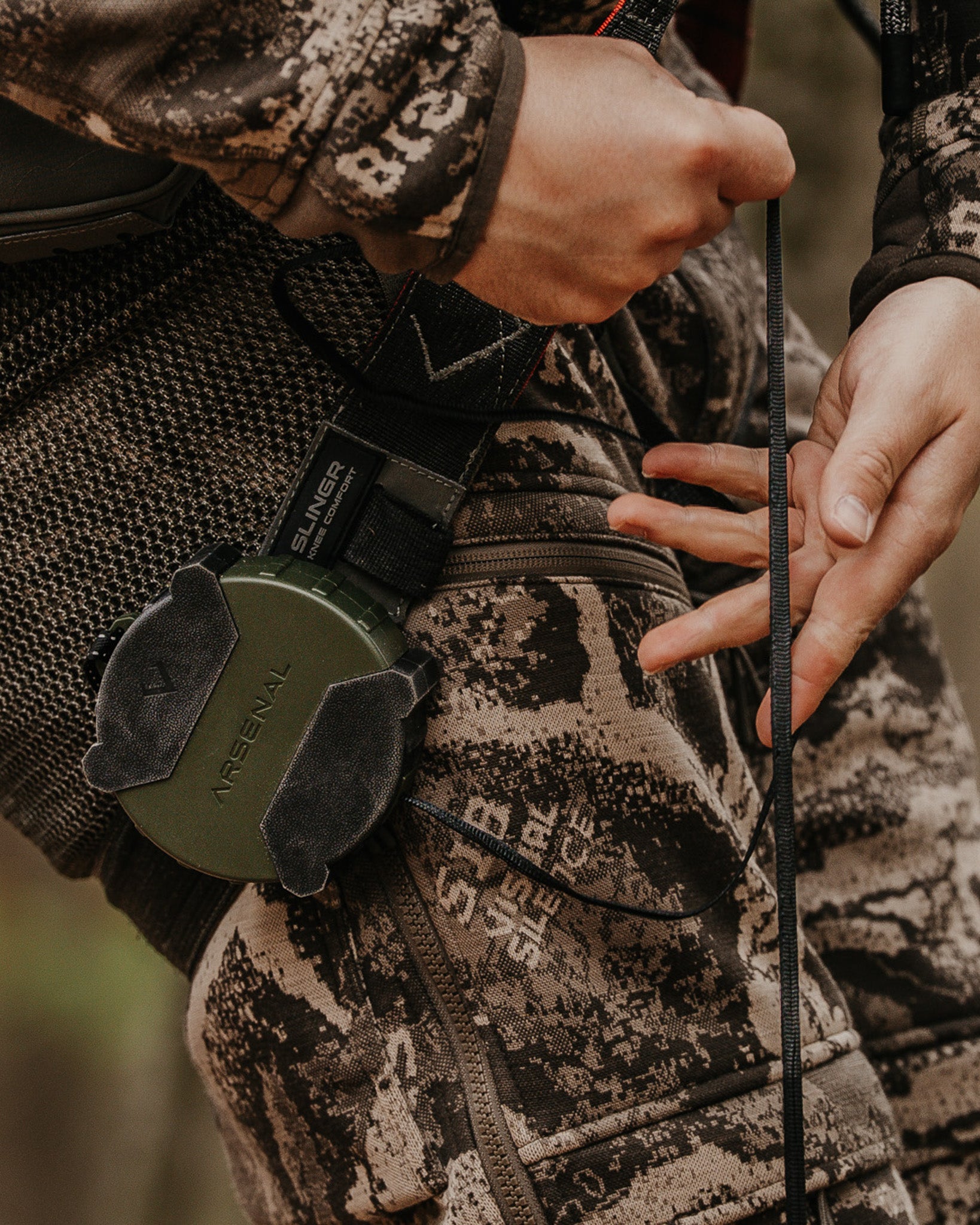
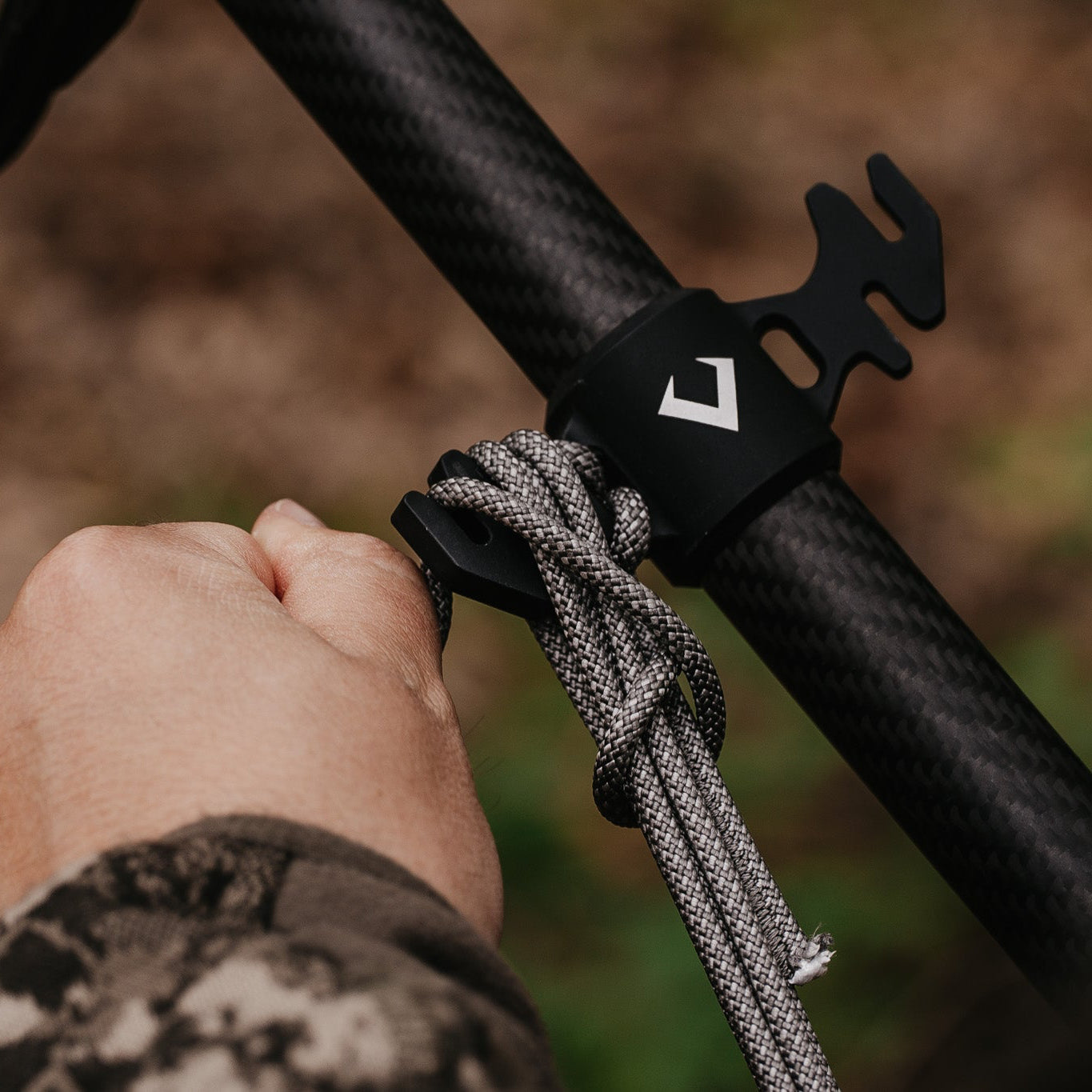
The RopeLok™ system was engineered to provide fast, intuitive stick attachment while maintaining consistent tension and secure tree engagement under load. Integrated rope storage hooks are built directly into the stick architecture, allowing attachment ropes to remain organized, contained, and immediately accessible throughout transport and deployment.
Together, these systems create a cleaner and quieter climbing workflow that improves setup efficiency while reducing unnecessary noise and frustration in low-light situations.
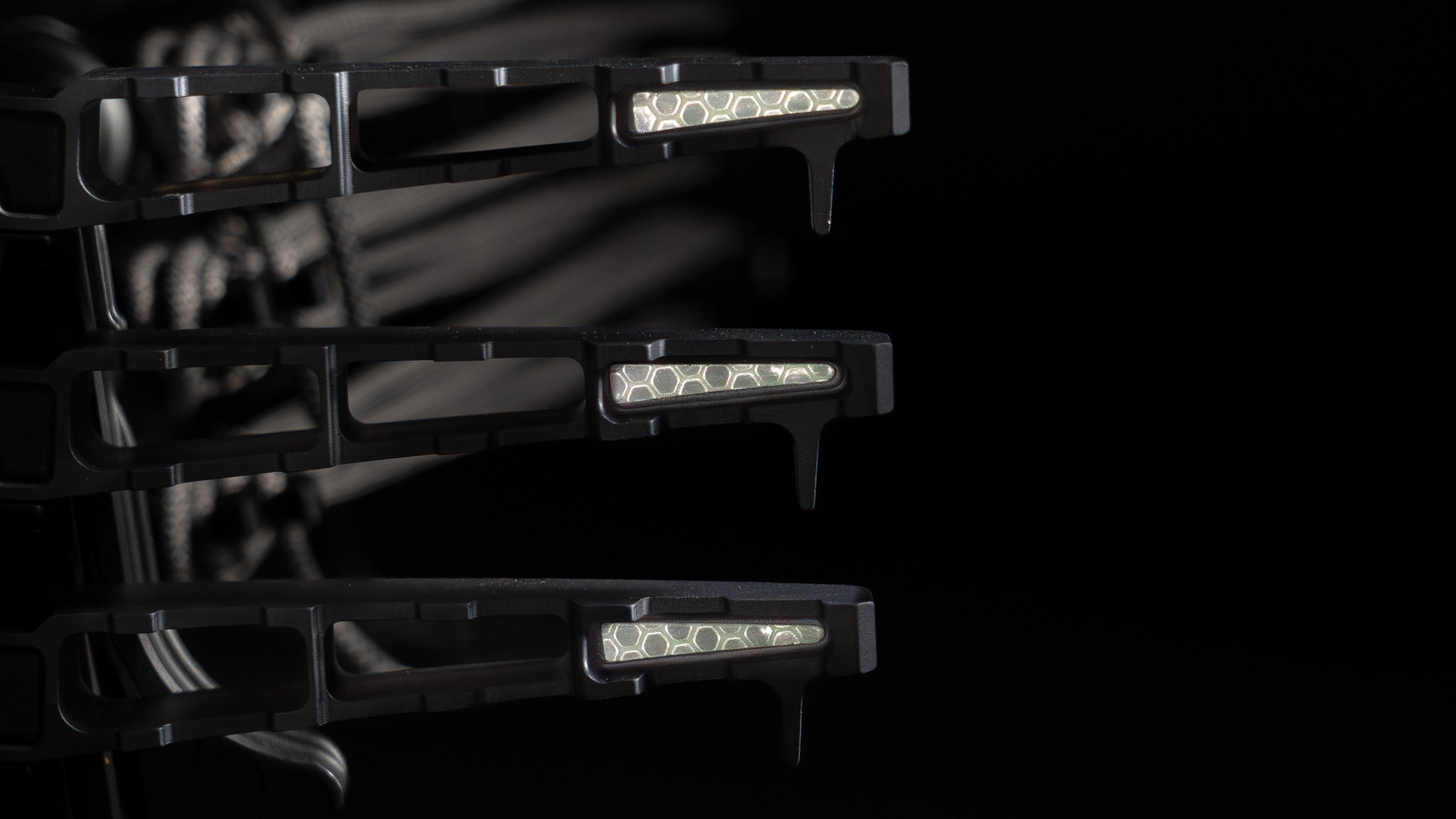
Low-Light Visibility Tabs
Confident Foot Placement Before and After the Hunt
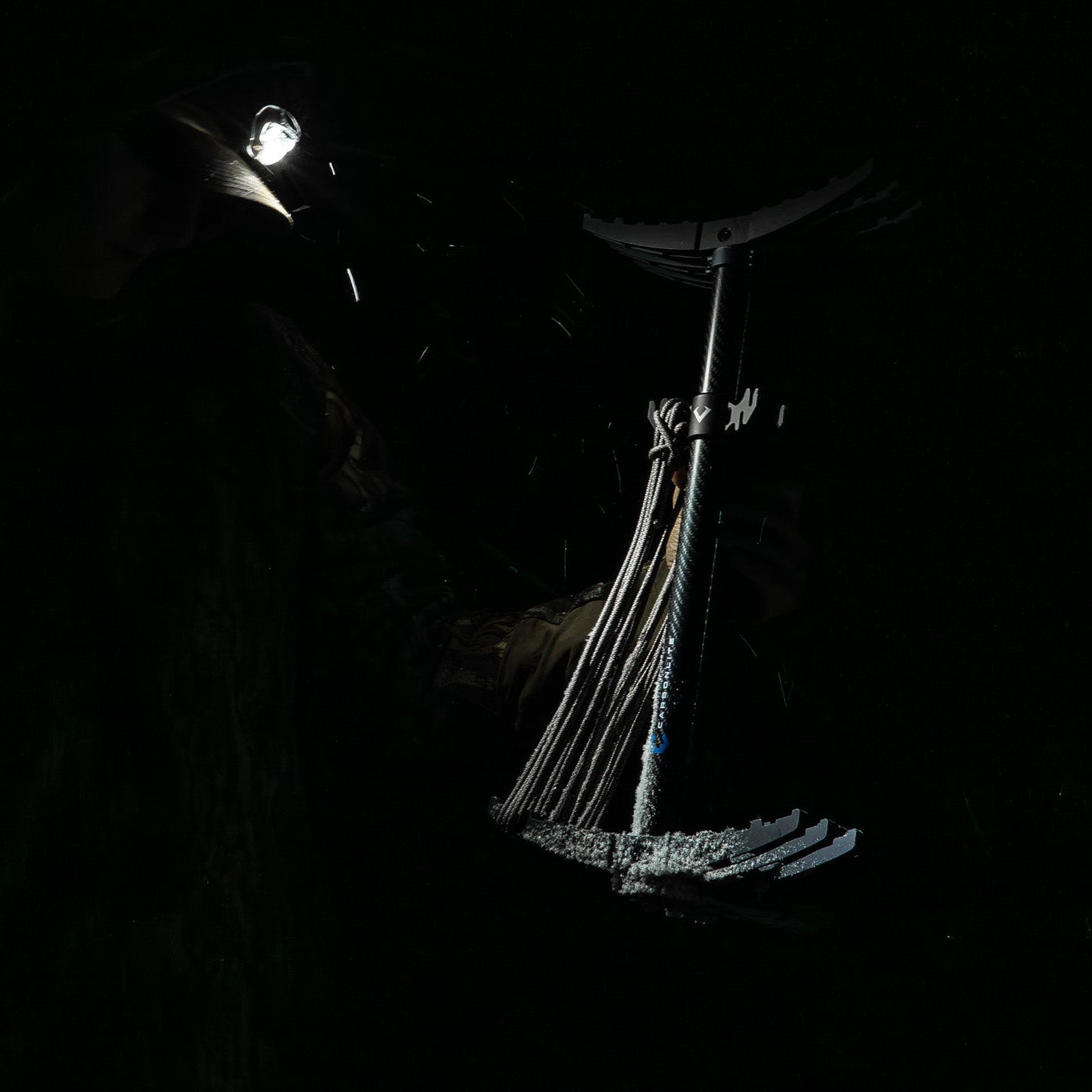
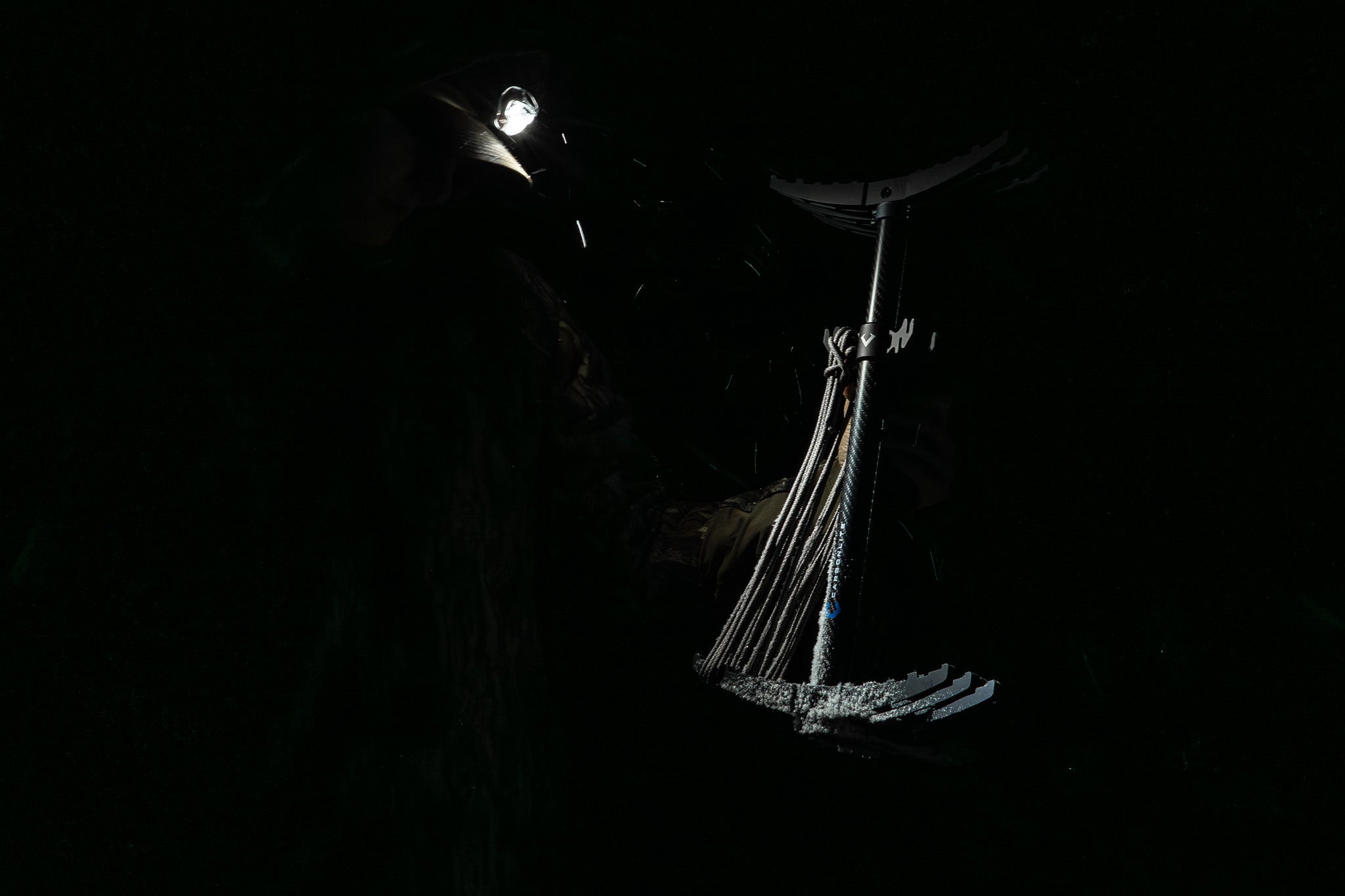
Navigating climbing systems in darkness often forces hunters to search visually for step placement, increasing unnecessary movement and slowing setup during critical low-light periods when stealth matters most.
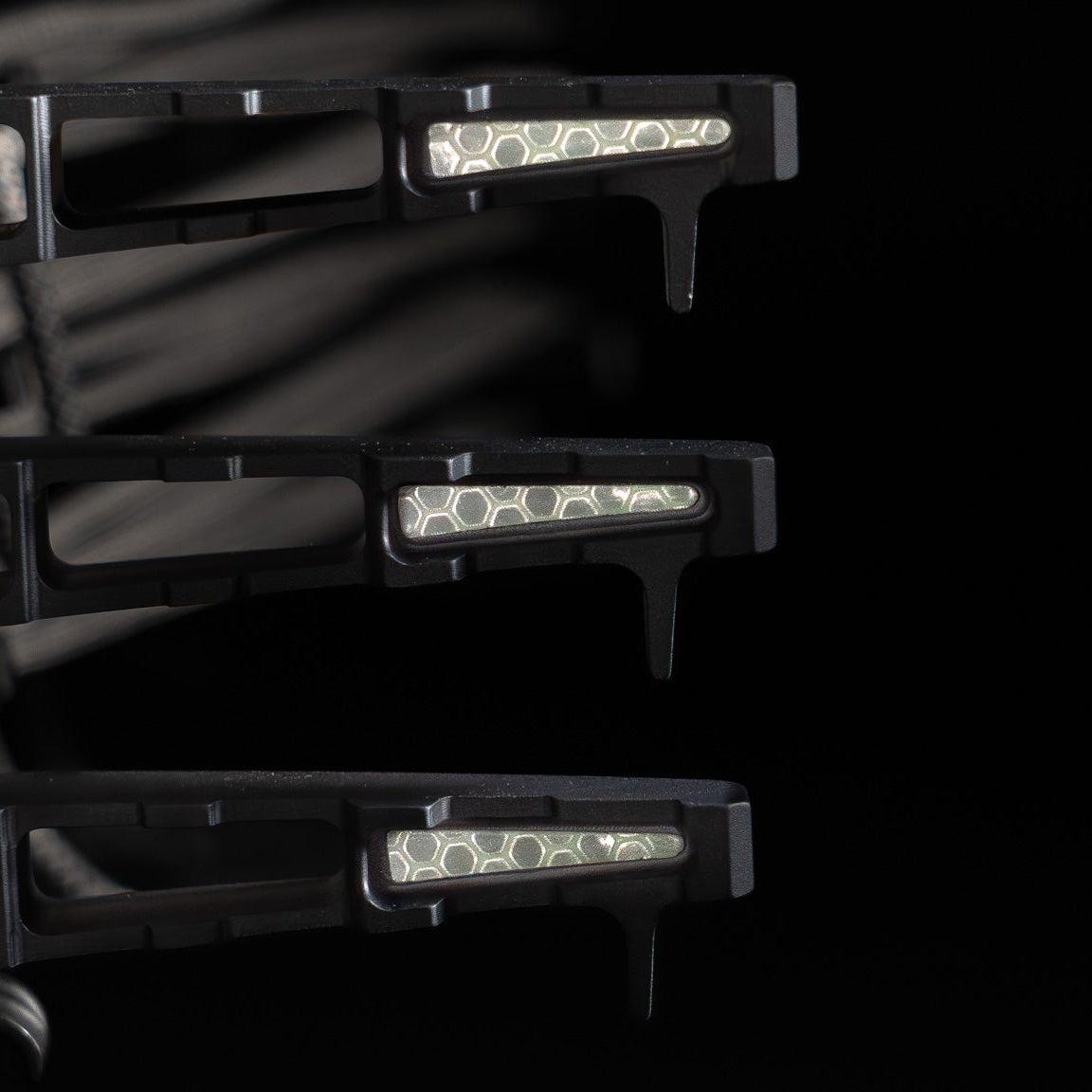
CarbonLITE™ integrates glow-in-the-dark visibility tabs directly into each climbing step to improve visual reference during early morning and evening climbs. The low-profile markers remain easy to identify in reduced light conditions without introducing excessive visual distraction or unnecessary complexity into the climbing system.
This allows hunters to locate footing faster, move more confidently in darkness, and maintain smoother climbing rhythm during critical entry and exit windows.
Shop collections